
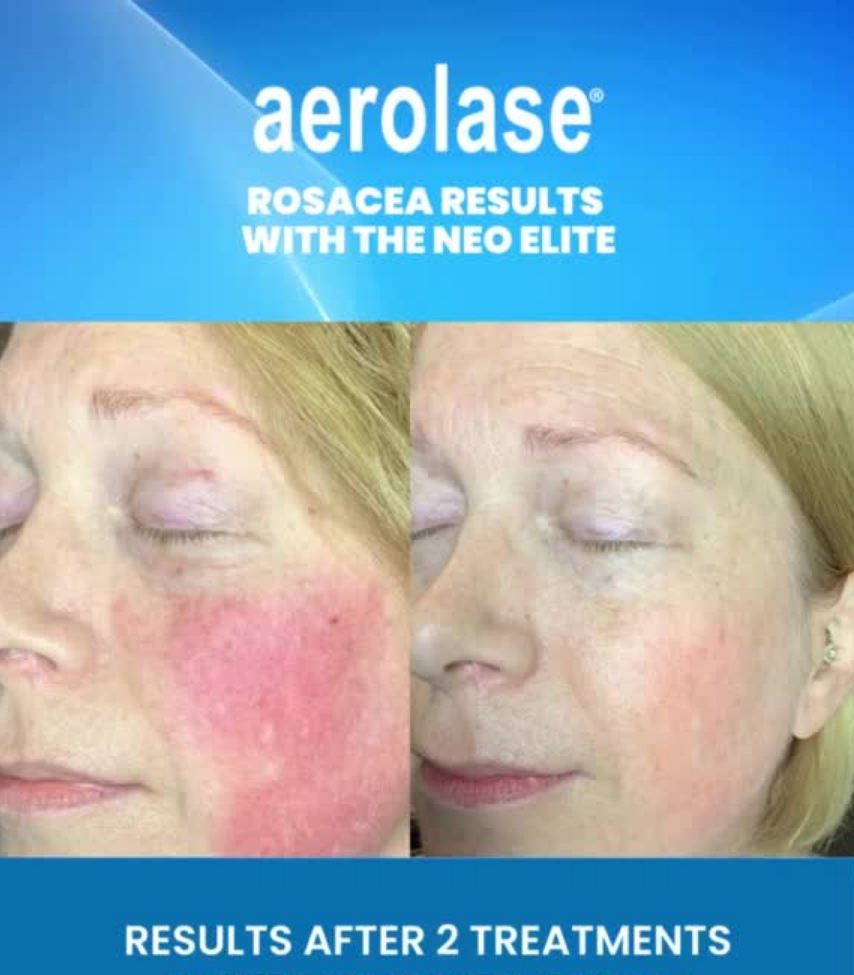
Rosacea “adult acne”
IT MUST BE KISMET MEDICAL + AESTHETICS
Medical Aesthetics | Clinical Dermatology | Injectables | Microneedling | PDO Threads | Womens Health | Weight Loss | WELLNESS
LOOMIS | GRANITE BAY| ROCKLIN | AUBURN | ROSEVILLE| FOLSOM | LINCOLN
There Is Hope for Rosacea
by Dr. Kismet
Rosacea affects more than 16 million Americans and can be frustrating to live with. It’s sometimes called “adult acne,” but it isn’t actually acne. While many people can improve their symptoms with creams or medications, the redness and flare-ups often keep coming back because these treatments don’t address what’s causing the problem underneath the skin.
Common Signs of Rosacea
Rosacea can cause:
- Ongoing redness, especially on the cheeks, nose, forehead, and chin
- Small, visible blood vessels
- Acne-like bumps and pimples
- Burning, stinging, or sensitive skin
- Thickened skin (usually in more advanced cases, especially around the nose)
- Eye irritation or dry, irritated eyes (called ocular rosacea)
What Causes Rosacea?
Rosacea is a long-term inflammatory skin condition. While we don’t know the exact cause, we do know that several things are happening beneath the surface.
Your immune system becomes overactive and reacts too strongly to everyday triggers like:
- Sun exposure
- Heat
- Hot yoga or saunas
- Alcohol (especially red wine)
- Spicy foods
- Certain bacteria or microscopic skin mites
These triggers cause your blood vessels to widen, leading to flushing and redness. Over time, those blood vessels stay enlarged, making the redness more permanent.
At the same time, the skin’s protective barrier becomes damaged. As the barrier weakens, your skin loses moisture more easily and becomes even more sensitive to the same triggers. This creates a cycle of inflammation that keeps feeding itself.
That’s why rosacea is a chronic condition—it involves your immune system, blood vessels, and skin barrier all at once.
Why Traditional Treatments Aren’t Always Enough
Prescription creams such as metronidazole, ivermectin, azelaic acid, and brimonidine can help reduce redness and inflammation. However, they don’t fix the underlying blood vessel changes or calm the immune system. Some patients also find these products irritating because their skin barrier is already compromised.
Oral doxycycline can also improve rosacea, but many people notice their symptoms return once they stop taking it.
Laser treatments and IPL (Intense Pulsed Light) have also been used for redness. While they can help visible blood vessels, IPL creates a significant amount of heat in the skin, which can be uncomfortable for people with sensitive rosacea. It also isn’t the best option for darker skin tones because it can increase the risk of unwanted pigmentation changes.
Rosacea in Skin of Color
Rosacea isn’t just a condition that affects fair skin. It also occurs in people with darker skin tones, but it often goes unrecognized because the redness is harder to see. As a result, many patients aren’t diagnosed until the condition has become more advanced.
The good news is that rosacea can be treated safely in all skin types with the right approach.
A Better Way to Treat Rosacea
The goal isn’t just to calm a flare-up—it’s to reset the skin’s inflammatory response and reduce the cycle that keeps rosacea coming back.
The Aerolase Neo Elite laser uses a special 1064 nm wavelength that reaches deeper layers of the skin while keeping the surface comfortable. In simple terms, it targets the blood vessels and inflammation causing rosacea without overheating the skin.
This treatment can help:
- Reduce persistent redness
- Minimize visible blood vessels
- Decrease flushing
- Improve acne-like bumps and pimples
- Calm inflammation
- Support healthier skin over time
One of the biggest advantages is that it’s safe for all skin tones.
Even better:
- No numbing cream
- No cooling required
- Little to no downtime
- Safe for every skin type
What to Expect
Most patients benefit from 4–6 treatments, spaced about 2–4 weeks apart.
After that, maintenance treatments every 3–4 months can help keep symptoms under control.
For the best long-term results, laser treatments should be combined with:
- A personalized skincare routine
- Prescription medications when appropriate
- Daily sunscreen (SPF 30 or higher)
- Products that help repair the skin barrier
It’s also important to identify and avoid your personal triggers whenever possible. Common triggers include:
- Sun exposure
- Heat
- Alcohol
- Spicy foods
- Hot baths, saunas, and hot yoga
While rosacea isn’t currently curable, today’s treatments can significantly reduce flare-ups, improve your skin’s appearance, and help you maintain clearer, healthier skin over the long term. Come see us to help with not only prescription treatments but Aerolase for effective treatment combinations.
-Dr Kismet Roberts
It Must Be Kismet Medical + Aesthetics, Inc.
3877 Shawn Way #168, Loomis, CA 95650
(916)250-1010 Fax (800)905-5787